


What is Red Laser Therapy?
Red Laser Therapy, also referred to as Low-Level Laser Therapy (LLLT) or Cold Laser Therapy, uses clinically studied wavelengths of red light to stimulate natural cellular processes in the body. It is a non-invasive, pain-free treatment commonly used in wellness and body contouring programs to support targeted fat reduction and improved skin appearance.
Unlike surgical procedures, red laser sessions typically require no anesthesia, incisions, or recovery time, making them appealing for individuals who want a convenient option that fits into a busy schedule. In the context of weight loss and body shaping, the therapy is often used to complement healthy habits, such as balanced nutrition, hydration, and regular activity.
Many users explore red laser therapy for common “stubborn areas” like the abdomen, waist, thighs, upper arms, and back. While results vary by individual, the purpose is to assist body contouring goals by supporting the body’s natural fat-release mechanisms and overall tissue wellness.

How Does Red Laser Therapy in Glendale, AZ Work?
Red laser therapy delivers low-level red light through the skin to stimulate cellular activity without heat, needles, or downtime. It supports body contouring by encouraging natural fat-release processes and promoting overall tissue wellness.
-
Cellular Stimulation: The light targets fat cells and encourages them to release stored fatty acids and glycerol, which the body can process naturally over time. This supports reduction in the appearance of stubborn, localized fat in treated areas.
-
Metabolism Boost: By supporting cellular energy function, the therapy may help the body use released fatty acids as a fuel source. When paired with healthy nutrition and regular movement, it can align with broader weight-management goals.
-
Reduced Inflammation: Red light is commonly used to promote recovery by supporting circulation and cellular repair pathways. This may help reduce inflammation and improve comfort, especially for individuals following an active wellness or weight-loss routine.

Benefits of Red Laser Therapy for Weight Loss
If you are looking for a non-surgical way to support your weight-loss and body contouring goals, red laser therapy is often considered a practical add-on to a healthy routine. While individual outcomes vary, many people choose this treatment because it targets common problem areas, fits into busy schedules, and complements lifestyle changes without disrupting daily activities.
-
Non-Invasive: Unlike surgical weight loss procedures, red laser therapy is painless and requires no downtime, making it a convenient option for many.
-
Targeted Fat Reduction: The therapy can be focused on specific areas of the body where fat is more stubborn, such as the abdomen, thighs, and arms.
-
Quick Sessions: Treatments typically last 20-30 minutes, allowing individuals to fit them into their busy schedules easily.
-
Complementary to Diet and Exercise: Red laser therapy can enhance weight loss, but it works best when combined with a healthy diet and regular exercise.
-
Comfortable, Low-Commitment Option: Red laser therapy is often selected because it feels gentle and does not require the intensity or recovery associated with more invasive approaches.
-
Relaxing Experience: Many clients describe sessions as calm and easy, with minimal sensation, which can make it simpler to stay consistent with a treatment plan.
-
Fits Easily Into Daily Life: Appointments generally do not disrupt work schedules, family routines, or fitness plans, making it practical for ongoing use.
-
Refines Stubborn Areas Over Time: Because the treatment is localized, it can support contouring in areas where progress may feel slower despite consistent diet and exercise.
-
Supports Better Results With a Plan: Providers commonly recommend multiple sessions, along with hydration and light movement, to support the body’s natural processing after treatment.
-
Non-Surgical Alternative for More People: It may be suitable for individuals who prefer gradual, lifestyle-supported improvement or who are not ideal candidates for invasive procedures.
-
Motivation and Confidence Support: When combined with a structured wellness routine, it can help clients feel encouraged by incremental body-shaping progress and stay engaged with their goals.
What to Expect During a Session
-
Comfortable Setup: During a red laser therapy session, clients lie down comfortably while a technician applies the laser pads to the targeted areas.
-
Treatment Sensation: The treatment is generally relaxing, with many clients experiencing a warm sensation.
-
Session Duration: Sessions typically last about 20-30 minutes, making them easy to schedule within a normal day.
-
Recommended Plan: Multiple sessions are often recommended for optimal results, depending on goals and the areas being treated.
-
Considered Safe: Red laser therapy is considered safe for most individuals. It is non-invasive, has minimal side effects, and does not require recovery time. However, it's always best to consult with a healthcare professional before starting any new treatment, especially for those with specific medical conditions.
Who Can Benefit From Red Light Laser Therapy?
Red laser therapy may be a suitable option for:
-
Individuals seeking targeted fat reduction and body toning in areas such as the abdomen, waist, thighs, arms, or back.
-
People who have not achieved desired results through diet and exercise alone and want an additional, non-surgical support option.
-
Clients looking for a non-invasive alternative to surgical procedures, with minimal disruption to daily routines and no recovery period.
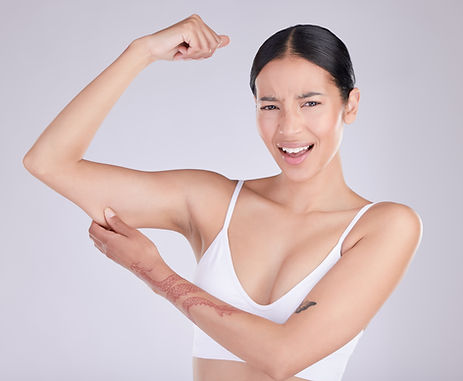
Laser Skin Tightening Machines for Younger Looking, Glowing Skin
Invisa-RED™ skin tightening helps patients effectively tighten moderately lax, crepey, and sagging skin across the body. This non-invasive treatment supports a firmer, smoother appearance and may help delay the need for surgical procedures.
How it works
Invisa-RED™ is designed to improve skin firmness by delivering controlled laser energy beneath the surface of the skin. This process supports natural collagen and elastin renewal—two essential proteins responsible for a tighter, smoother, more youthful-looking appearance.
-
Targeted Laser Energy (680nm + 980nm): invisa-RED™ uses targeted laser energy of 680nm and 980nm to heat deeper layers of skin, which stimulates the production of collagen and elastin.
-
Age-Related Skin Laxity: As we age, the production of collagen and elastin slows down, resulting in areas of lax, sagging skin.
-
Treatable Body Areas: Treatments are effective for multiple areas of the body, such as the neck, abdomen, buttocks, arms, and thighs.
-
Personalized Treatment Plan: The number of treatments needed varies depending on the individual patient’s needs.
Will I feel any pain during treatments?
No. The treatments are quick, non-surgical, non-evasive and pleasant.
How many treatments do I need?
Treatment times are very short, around twenty minutes, and the stimulation of collagen growth will last for several weeks to months after treatments. Multiple treatments are necessary and are recommended three times per week for the duration of your recommended treatment schedule. Treatment sessions will vary. During your private consultation, a clinician can give you a better idea of how many treatments you will need to achieve your desired results.
Once you have completed your treatment schedule, we recommend you come in for touch up treatments one to two times per month.

Laser Lipo in Glendale, AZ: Stretch Mark Removal Solution for Glowing Skin
Discover non-invasive laser lipo that supports body contouring while enhancing skin texture and tone. Our stretch mark removal solution is designed to help smooth visible lines and promote a more even, glowing appearance with minimal downtime.
Learn More About Stretch Mark Reduction Therapy
Also known as striae distensae or simply as striae, is a type of scarring caused, literally, by rapid stretching of the skin beyond its elastic capacity. Micro tears develop and the blood vessels that lie under the skin show through usually creating a stretch mark that is red in color. If the body is slow to produce enough collagen to repair the area, the appearance of the stretch marks usually become darker in color. Pregnancy and rapid weight gain are the most common reasons stretch marks develop. body slimming technology used to remove fat from areas that are unresponsive to diet and exercise and reshape regions of your body very rapidly.
Stretch marks affect both men and women, appearing as a result of the fast changes in weight, no matter if they are rapid losses or gains associated with a quick stretching of the skin. They are also influenced by the hormonal changes specific to puberty, pregnancy or the exposure of the body to hormone replacement therapies or muscle building.
Other Causes of Stretch Marks
Although many people consider the main cause of these marks to be skin stretching, due to the name they have been given and because they look like scars, their origin is much deeper. Hormonal fluctuations are considered the primary factor that influences their appearance.
Therefore, people suffering from hormonal imbalance face greater risks of dealing with stretch marks. Among them, there are the teenagers, the pregnant women, people with the Cushing’s syndrome, the Marfan syndrome or suffering from adrenal disorders, but also people using corticosteroid medication.
Sudden Gain/Loss of Weight in Adolescence
Very often, during adolescence, individuals face intense hormone fluctuations associated with sudden gain or loss of weight that affect the skin’s elasticity, overstretching it and disrupting the normal collagen production.
That is when stretch marks appear, not only in women, but also in men, although the affected areas may be different. They tend to be a normal part of puberty, as they are caused by the rapid hormonal changes in the body and by the associated weight fluctuations.
Stretch Marks during Pregnancy
In pregnant women, the significant hormonal changes that take place in the body and the gain of weight can cause the development of stretch marks, especially on the abdomen. The stretching forces that act on the skin’s elasticity are an important factor, as they affect the creation of the protein that is the base of the connective tissue in the skin. This results in the formation of scar-like marks in the dermis that are very hard to hide and even harder to repair.
As eighty to ninety percent of the pregnant women tend to develop stretch marks by their third trimester of pregnancy, some studies focus on finding solutions to prevent stretch marks from forming.
In 1991, the “International Journal of Cosmetic Science” published a study according to which the risk of developing pregnancy stretch marks could be diminished if women applied an OTC stretch mark cream made of a combination of vitamin E and Gotu Kola extract on the affected area (generally the abdomen).
Moreover, a study published by the British Journal of Dermatology in 2006 titled “Striae Gravidarum in Primiparae” showed that young mothers, especially first-time mothers are more likely to suffer from stretch marks. The formation of stretch marks is also influenced independently by the age of the mother, her body mass, the neonatal birth weight and the overall weight gain. Furthermore, it appeared that teenagers face greater risks of developing severe stretch marks.
The Influence of Corticosteroid Hormones
The appearance of stretch marks can also be influenced by the corticosteroid hormones, which can damage the skin. Another study published in the “Clinical and Experimental Dermatology” in 2006 showed the ability of the corticosteroids hormones to weaken the dermal tissue and increase the risk for the developing of stretch marks. Bodybuilders, for example, are also prone to developing stretch marks due to the rapid changes within their bodies.
The Cushing’s Syndrome, the Marfan Syndrome and Adrenal Disorders
Cushing’s Syndrome – The Cushing’s syndrome, also known as hypercorticism or hyperadrenocorticism, refers to the high level of cortisol produced by the adrenal glands and that can be induced by the intake of glucocorticoid drugs or by some diseases known to cause the excessive production of cortisol. The symptoms include fast weight gain and changes in the thickness of the skin, all these encouraging the appearance of stretch marks.
Marfan Syndrome – Unlike Cushing’s, the Marfan syndrome is a genetic disorder that affects the connective tissue and that has no cure. People who suffer from this disease tend to be very tall and have long limbs and fingers. They also develop unexplained stretch marks on the skin, probably related to the development of the skeleton.
Adrenal Disorders – The adrenal disorders can also contribute to the development of stretch marks, as individuals with variable hormone levels generally have elevated glucocorticoid hormone levels. This hormone affects the dermis in a negative way, by preventing the fibroblasts found at its level to create collagen and elastin. Without these substances, the skin can no longer provide the necessary support of its structures, and that is how the so hated micro-tears appear. The skin reacts to the small tears under discussion by swelling, and that is how the detested stretch marks appear.
Some Facts about Stretch Marks
The studies in this field show that, throughout their life, approximately 80 to 90 percent of women develop stretch marks of some degree, from adolescence to adulthood and motherhood. Men can also be affected by stretch marks, although, in their case, the targeted area of the body varies depending on where the fat is stored and how the muscles develop.
In the area affected by stretch marks, the skin feels soft and empty, because it is no longer supported by the dermis, the resilient middle layer that helps it maintain its shape. The stretching of the skin is the main factor in the appearance of these marks, usually located in the areas of the body where a larger amount of fat is stored, such as the abdomen, the upper arms and underarms, the breasts, the thighs, the hips and the buttocks.
Due to the significant hormonal changes they go through, pregnant women tend to develop stretch marks throughout the third trimester, when their skin stretches excessively in the abdominal area in order to accommodate the baby.
Types of Stretch Marks
-
Red Stretch Marks – are “new” recently developed stretch marks usually appearing as thin red irregular lines covering the skin, but they gradually turn red, purple or even darker in color, varying according to one’s skin pigmentation. This change of color is caused by the bleeding at the dermal level, therefore, red stretch marks act in the way bruises do.
-
White Stretch Marks – When they heal, the red stretch marks turn white and become less noticeable, as, in time, the scarred tissue of the marks loses its pigmentation and shrinks. The resulting color is white-silvery for people with light skin and light brown for darker skinned people.
Stretch-mark Treatments
Because these marks are already formed, their visibility is difficult to reduce. Successful treatments in this stage involve encouraging the collagen growth within the skin layers, in order to rebuild the texture of the skin, to level the marks and to minimize their appearance. Our non-surgical treatments significantly reduce and fade stretch marks from all areas of the body. invisa-RED™ technology will stimulate RNA and DNA production (skin cell renewal) rejuvenating your skin and promoting the growth of collagen to repair the damaged area. Most clients will see an improvement after just one treatment but will require multiple sessions to reach their desired goals.
Generally, people suffering from stretch marks require several sessions of laser therapy, depending on the type of treatment followed, on the severity, size and age of the marks. Besides invasive procedures that are costly, painful, and require downtime to heal, no other non-invasive technology or creams exist that will fade stretch-marks as efficiently as invisa-RED™ technology.
How it works
-
Heats the epidermis to the necessary temperature required to stimulate the natural production of collagen, elastin, and fibroblasts to fill the wound or gap left in the epidermis and lighten the discoloration.
-
Increases the circulation of fresh oxygenated blood to aid in the wound healing process.
-
Skin tightening reduces the size and depth to create a smoother more uniform look and texture to the skin.
invisa-RED™ simultaneously triggers three processes necessary to repair and minimize visibility of the stretch mark effectively.
Will I feel any pain during treatments?
No. The treatments are quick, non-surgical, non-evasive and pleasant.
How many treatments do I need?
Treatment times are very short, around twenty minutes, and the stimulation of collagen growth will last for several weeks to months after treatments. Multiple treatments are necessary and are recommended three times per week for the duration of your recommended treatment schedule. Treatment sessions will vary from client to client. During your private consultation, a clinician can give you a better idea of how many treatments you will need to achieve your desired results.
Maintenance
Once you have completed your treatment schedule, we recommend you come in for touch up treatments one to two times per month.
Take Your Step Toward Targeted Fat Reduction
Red laser therapy offers an innovative approach to weight loss by providing a non-invasive method that may support fat breakdown and metabolic activity. When combined with a balanced diet, consistent hydration, and regular physical activity, it can serve as a practical addition to a structured body contouring and wellness plan. For individuals seeking gradual, lifestyle-supported results, this treatment can help refine targeted areas while fitting easily into a busy routine.
If you are also interested in related aesthetic solutions such as Stretch mark removal in Glendale, AZ, our team can guide you through the most suitable options based on your goals.